
IPL vs. LLLT for Dry Eye: Which Treatment Is Right for You?
Dry eye disease affects millions of people and is one of the most common conditions we see in eye care offices today. For many patients, dry eye is caused by inflammation or poor oil gland function, which means over-the-counter drops alone are often not enough. Modern treatment options like IPL (Intense Pulsed Light) and LLLT (Low-Level Light Therapy) are designed to target the root causes of dry eye. At Cedar Rapids Eye Care, we use these advanced therapies to create personalized treatment plans for long-term comfort.
Understanding Dry Eye Disease
Dry eye occurs when your eyes don’t produce enough quality tears or when tears evaporate too quickly. Tears aren’t just water - they’re a complex blend of oil, water, and mucus that work together to keep your eyes comfortable and vision clear. When that balance is disrupted, dryness, burning, redness, fluctuating vision, and even excessive tearing can occur.
For many patients, especially adults experiencing chronic symptoms, dry eye is an ongoing condition that requires targeted treatment rather than occasional eye drops.
The Root Causes of Dry Eye Symptoms
Two of the most common underlying causes of dry eye are meibomian gland dysfunction (MGD) and blepharitis. MGD occurs when the oil-producing glands along your eyelids become blocked or don’t function properly. These oils are essential for preventing tears from evaporating too quickly. Blepharitis, often linked to bacterial overgrowth or inflammation at the eyelid margins, can further disrupt tear quality and irritate the eyes.
Because these conditions affect the eyelids and glands, not just the surface of the eye, effective dry eye treatment must address inflammation, blockages, and overall gland health.
What Is IPL?
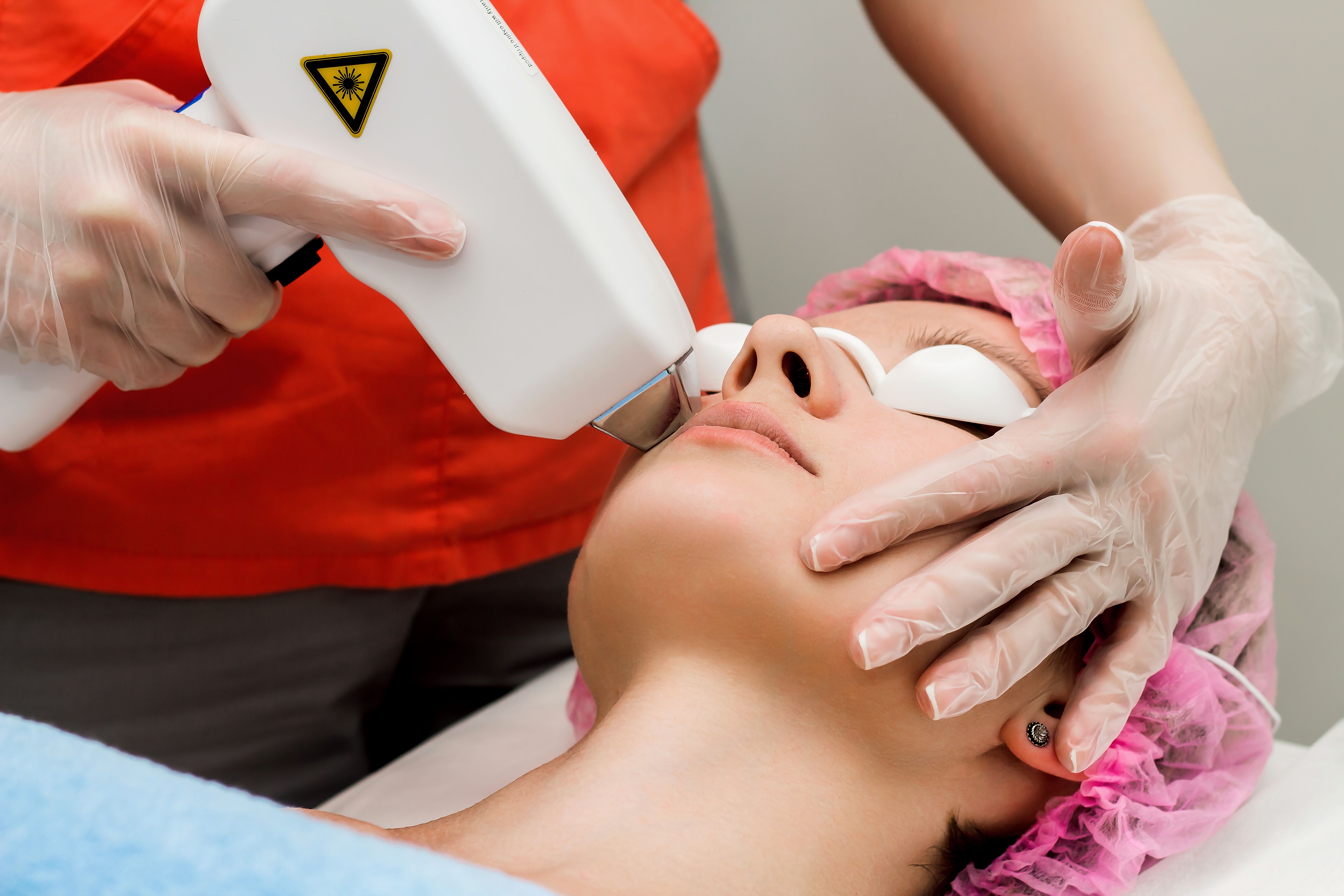
Intense Pulsed Light (IPL) therapy uses controlled pulses of light applied to the skin around the eyes. IPL works by gently heating the meibomian glands, helping to unclog blocked oils so they can flow more freely into the tear film. It also reduces inflammation, targets abnormal blood vessels that contribute to chronic redness, and decreases bacteria that worsen blepharitis.
Many patients notice improvements in comfort, redness, and tear stability after a series of IPL treatments, making it an excellent option for moderate to severe dry eye.
What Is LLLT?
Low-Level Light Therapy (LLLT) uses gentle, therapeutic light to stimulate cellular activity in the eyelids. Unlike IPL, LLLT does not use pulses of heat; instead, it promotes natural healing, reduces inflammation, and improves gland function through photobiomodulation.
LLLT is especially beneficial for patients with sensitive skin, significant inflammation, or those who need a more gradual approach to treatment. It can help calm irritated eyelids, improve oil gland performance, and support long-term eye comfort. LLLT is often used on its own for mild to moderate dry eye or combined with IPL for more comprehensive care.
IPL vs. LLLT: Which Is Right for You?
The right treatment depends on the severity of your dry eye, the health of your meibomian glands, your symptoms, and your lifestyle. At Cedar Rapids Eye Care, we start with a comprehensive dry eye evaluation to identify the exact cause of your symptoms. Based on your results, our doctors may recommend IPL, LLLT, a customized combination of both therapies, or additional options such as punctal plugs or amniotic membrane treatment. Your treatment plan is personalized to provide the most effective and lasting relief possible.
Ready to Find Relief from Dry Eye?
With today’s advanced therapies like IPL and LLLT, it’s possible to treat the root cause of dry eye and restore lasting comfort. The key is understanding what’s happening beneath the surface and choosing a treatment plan designed specifically for your eyes. For patients in Cedar Rapids and the surrounding communities, advanced dry eye care is available right here at home.
If you’re experiencing dry eye symptoms, schedule a consultation at Cedar Rapids Eye Care to learn more about advanced dry eye treatment options. Visit our office in Cedar Rapids, Iowa, or call (319) 366-4455 to book an appointment today.
Our Services
Contact Info
Hours of Operation
- Monday 8:00am - 5:00pm
- Tuesday *8:00am - 5:30pm
- Wednesday 8:00am - 5:30pm
- Thursday 8:00am - 5:30pm
- Friday 8:00am - 5:00pm
- Saturday Closed
- Sunday Closed
- Monday
- Tuesday
- Wednesday
- Thursday
- Friday
- Saturday
- Sunday
- Monday
- Tuesday
- Wednesday
- Thursday
- Friday
- Saturday
- Sunday
*1st Tue of Month 9:00am - 5:30pm
© 2026 Cedar Rapids Eye Care. All rights Reserved - Accessibility Statement - Privacy Policy - Sitemap
Managed and Designed by 